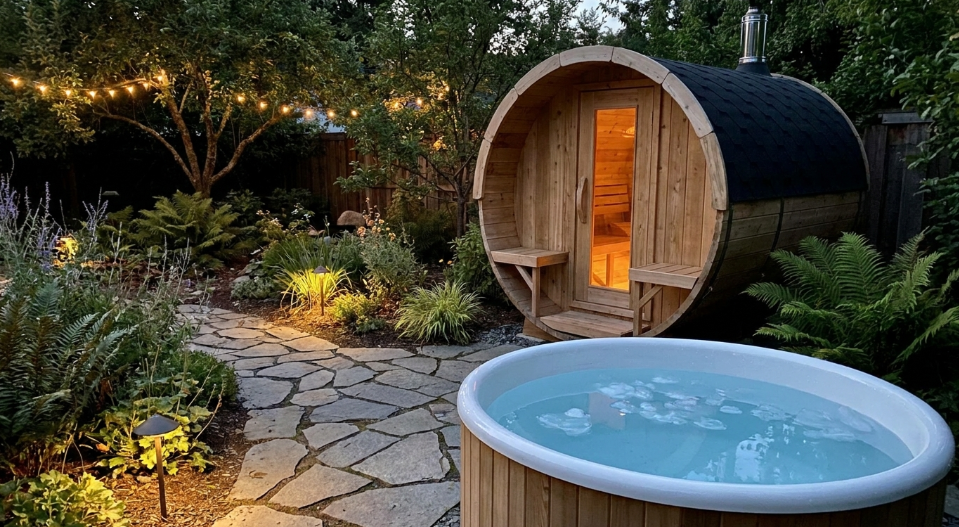
Running an outdoor sauna three to four times a week typically costs $25 to $70 a month once you add up more than just the electric bill. Heater electricity is the biggest piece, usually $15 to $45, but exterior maintenance, winter path clearing, added lighting, pest proofing, and insurance adjustments all add smaller amounts most buyers do not budget for upfront. Here are the seven line items that actually make up that number.
1. Heater Electricity, the Cost Everyone Budgets For
A mid-size traditional heater in the 6 kW range uses roughly 4 to 5 kilowatt-hours for a 45-minute session including warm-up. At average U.S. residential electricity rates, that works out to 65 cents to a dollar a session, or $11 to $16 a month at four sessions weekly. Larger cabins with 8 to 9 kW heaters push that closer to $1 to $1.30 a session. Infrared cabins run lower, often 15 to 30 cents a session, cutting the electric portion by more than half for the same frequency of use.
2. The Outdoor Weather Surcharge
This is the line item indoor saunas do not have. An outdoor cabin loses heat to ambient air and wind in a way an indoor unit, insulated by the surrounding house structure, does not. Depending on exposure and climate, that can add 10 to 30 percent to winter running costs compared to the same heater in a sheltered spot, since the unit works harder and longer to reach and hold temperature against outside cold and wind.
3. Exterior Wood Maintenance
An outdoor cabin’s exterior takes direct sun, rain, and in some climates snow load year-round, which an indoor unit simply never faces. Cedar and thermally modified wood exteriors typically need a fresh coat of exterior-rated oil or sealant every one to two years, more often in high UV or coastal salt-air climates, to prevent graying and moisture intrusion. Budget $50 to $150 a year in materials for a small cabin, more if you hire the labor out.
4. Winter Path Clearing and De-Icing
In a snowy climate, keeping a safe, cleared path to the cabin door is a recurring seasonal cost, whether that is your own time shoveling, a snow removal service, or de-icing materials for a stone or paver path. This is easy to leave out of a cost estimate entirely since it is not a fixed monthly bill, but it adds up over a full winter and matters for both safety and whether the sauna actually gets used through the coldest months.
5. Exterior Lighting for Evening Use
Path and entry lighting draws a small but real amount of electricity if used nightly through darker months, typically just a few dollars a month for LED fixtures. It is a minor cost next to the heater itself but worth including if you are pricing out the full setup rather than just the sauna’s own power draw.
6. Insurance and Permit-Related Costs
Some homeowner’s policies adjust modestly for an added outdoor structure, particularly one with its own heat source, and a few jurisdictions charge a small annual fee tied to a permitted accessory structure. Neither is usually a large number, often under $10 to $20 a month when averaged out, but both are worth confirming with your provider and local building office rather than assuming they do not apply.
7. Pest and Wildlife Proofing
An outdoor structure sitting near a lawn, garden bed, or tree line attracts the kind of attention an indoor cabin never deals with. Wasps building a nest under an eave, rodents finding their way under a raised skid foundation, or insects drawn to a warm, dark space between uses are all realistic outdoor-specific issues. A yearly inspection and occasional sealant around gaps or vents, along with basic pest deterrent measures, typically costs $20 to $60 a year in materials, small compared to the other line items but worth including if you are pricing out ownership honestly rather than optimistically.
Adding It All Up
Combine all seven and a typical outdoor sauna used three to four times a week lands around $25 to $70 a month depending on climate, cabin size, and how much of the maintenance and lighting you are doing yourself versus hiring out. That is still well below what a handful of visits to a public sauna or spa would cost in most regions, which is why most owners treat the monthly cost as a manageable utility rather than a reason to reconsider the purchase. Buyers comparing running costs across different cabin sizes and heater types before buying can look at SweatDecks’ lineup to see how wattage and insulation specs shift the electricity line item specifically.
Is There Research Behind Making Sauna Use a Regular Habit?
Beyond the cost math, there is a reasonable evidence base for treating sauna use as a habit worth budgeting for. A Mayo Clinic Proceedings review found regular sauna bathing associated with a range of cardiovascular and general health markers, and a separate review in the American Journal of Physiology noted consistent findings across heat exposure studies more broadly. These remain association findings from long-term cohort data, not proof that sauna use alone changes outcomes, but they are part of why so many owners view the monthly running cost as money well spent rather than a discretionary expense to cut.
Frequently Asked Questions
What is the biggest monthly cost for an outdoor sauna?
Electricity for the heater itself, typically $15 to $45 a month, though a cold, windy site pushes that number higher than a sheltered spot would.
Does an outdoor sauna cost more to run than an indoor one?
Usually somewhat, yes. Outdoor units lose more heat to ambient temperature and wind, adding 10 to 30 percent to winter running costs depending on exposure.
How often does outdoor exterior wood need maintenance?
Most cedar or thermally modified exteriors benefit from a fresh coat of oil or sealant every one to two years, more often in high UV or coastal climates.
Does an outdoor sauna affect homeowner’s insurance?
It can, though the increase is usually modest. Insurers sometimes classify it as an added structure or fire-risk appliance, worth a quick call to confirm.
References
- “Cardiovascular and Other Health Benefits of Sauna Bathing: A Review of the Evidence.” Mayo Clinic Proceedings, 2018. https://pubmed.ncbi.nlm.nih.gov/30077204/
- “Effects of heat and cold on health, with special reference to Finnish sauna bathing.” American Journal of Physiology, 2018. https://pubmed.ncbi.nlm.nih.gov/29351426/
- “Clinical Effects of Regular Dry Sauna Bathing: A Systematic Review.” Evidence-Based Complementary and Alternative Medicine, 2018. https://pubmed.ncbi.nlm.nih.gov/29849692/
