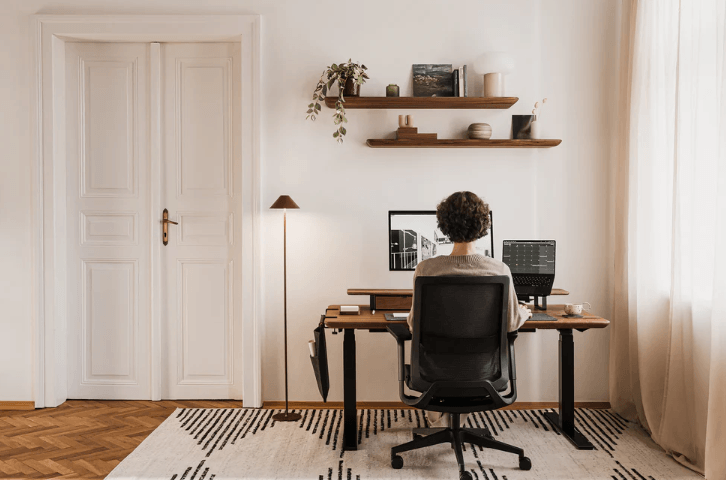
A well-organized home office balances a practical desk setup with smart storage. Essentials stay within arm’s reach, and the monitor, keyboard, and input devices align for balanced posture. Cable taxonomy keeps wires tidy through color labels and modular mounts. Space-saving containers and vertical storage create calm zones, while a simple daily system targets the top three tasks. This approach reduces clutter and friction, offering a clear path to a cleaner workspace—and a reason to consider the next practical step.
Create a Workable Desk Setup and Essentials
A workable desk setup starts with a clear, minimal footprint that supports focused work and easy movement. The arrangement prioritizes desk ergonomics, placing essential tools within easy reach and preserving space for posture. Maintain a balanced workflow rhythm by aligning monitor, keyboard, and input devices at arm’s length, enabling smooth transitions. Choose modular components for adaptability and sustained efficiency. Avoid clutter, distractions, and unnecessary accessories.
Master Cable Curation and Tech Organization
Effective cable curation and tech organization streamline workflows by reducing visual clutter and preventing equipment tangling. A practical system uses cable taxonomy to categorize cables by function and destination, enabling quick retrieval.
Implement wire labeling at both ends, color-coded or text-based, to ensure quick identification. Regular audits maintain order, while modular mounts and labeled trays support flexible, freedom-filled setups.
Optimize Storage With Smart Containers and Zones
Smart containers and designated zones streamline home office storage by pairing purpose-built organizers with a clear layout. Space saving containers and smart storage options maximize efficiency, while modular shelving and stackable bins create flexible, scalable solutions.
Color coded zones, labeled containers, clear labeling, and airtight organizers support tidy workflows; vertical storage and under desk drawers keep essentials reachable without clutter. zoning strategies empower freedom.
Build a Simple Daily System to Keep Chaos Gone
Creating a simple daily system starts with a predictable routine that minimizes decision fatigue. A third-party observer describes a minimal task focus: tackle top three tasks each day, in a fixed order, to preserve momentum. Implement daily routine check-ins, budget friendly upgrades, and a decluttering rhythm. End with quick reviews, adjust as needed, and maintain freedom through consistent, purposeful actions.
Frequently Asked Questions
How Do I Choose a Chair for Long Work Sessions?
A chair for long work sessions should prioritize ergonomics and lumbar support. Prioritize adjustable height, seat depth, backrest, and armrests; test for comfortable lumbar alignment, tilt tension, and supportive cushions to sustain focus and freedom of movement.
What Spill-Proof Measures Keep a Desk Tidy?
A spill-proof plan unfolds: spill proof desk mats guard edges while coffee breaths calmly; cable management trays trap tangles, guiding cords into order. He hesitates, then acts, securing surfaces, preventing chaos, and preserving a free, focused workspace.
Can I Use Vertical Space Without a Closet?
Vertical storage is feasible without a closet. Wall mounted shelves and hanging organizers maximize floor space, keeping essentials accessible. The approach emphasizes modularity, simple installation, and freedom to reconfigure as needs evolve, maintaining a tidy, functional workspace.
See also: The Importance of Blockchain Infrastructure
How Often Should I Declutter and Reset?
Decluttering cadence varies, but a practical cadence is monthly checks with quarterly resets. The truth: consistency beats intensity. Implement reset rituals like 15-minute tidies and weekly reviews to sustain freedom, clarity, and organized space.
What Apps Help Track Daily Tasks Effectively?
Task tracking tools and daily habit apps help monitor daily tasks effectively, offering reminders, progress visuals, and simple interfaces. They empower the user with freedom to customize workflows, maintain consistency, and achieve sustainable productivity through disciplined, autonomous interaction.
Conclusion
In wrapping up, a well-ordered home office is less a room and more a workflow. Prioritize a reachable essentials zone, tidy cables, and smart vertical storage, then enforce a simple daily system—three tasks, quick reviews. This clarity reduces decision fatigue and sustains momentum. The result is a calm, efficient workspace that breathes with you; it’s not perfection, but progress—an orderly desk that quietly amplifies focus and productivity. Remember: order begets momentum.
